
If you’ve been putting off replacing your HVAC system, 2026 might be the year to seriously consider making the switch. Homeowners throughout Milford and Central Massachusetts are facing rising energy costs, stricter efficiency standards, and aging equipment that just can’t keep up anymore. Whether your system is nearing the end of its service life or you’re ready to take advantage of high-efficiency upgrades, now’s a good time to explore your options.
Why Homeowners in Milford & Central MA Are Considering HVAC Upgrades in 2026
Heating and cooling systems are being held to higher standards than ever before. New federal regulations, including updated SEER2 ratings, are pushing manufacturers and homeowners to focus on energy efficiency. At the same time, Massachusetts winters continue to test the limits of older systems, many of which are 15, 20, or even 25 years old.
Older HVAC systems typically cost more to operate and maintain, especially if they’ve required multiple repairs in recent years. Add in fluctuating fuel prices and the push for cleaner energy, and it’s easy to see why homeowners are looking ahead to an HVAC upgrade in 2026.
When Should You Update Your HVAC System?
Timing matters when it comes to replacing your HVAC system. If you’re on the fence, watch for these signs that your current unit might be on its last legs:
- Advanced system age: Most HVAC systems last between 10 and 15 years, depending on usage and maintenance.
- Frequent repairs: If you’re calling for service more than once a season, those repair bills add up fast.
- High energy bills: An older system will struggle to maintain efficiency, especially during peak summer and winter months.
- Uneven temperatures: Cold spots and hot rooms could be a sign of failing components or poor airflow.
- Loud or strange noises: Banging, rattling, or constant cycling can indicate mechanical issues that may not be worth fixing.
If you’re experiencing one or more of these issues, it may be time to plan your HVAC upgrade in 2026.
Benefits of a New HVAC System
Upgrading your system opens the door to better performance, improved comfort, and long-term savings. A new HVAC system in 2026 offers many benefits that weren’t available a decade ago, such as:
- Improved energy efficiency: New systems are built to meet SEER2 standards and reduce your energy usage over time.
- Lower monthly bills: Higher efficiency means less energy wasted and more predictable utility costs.
- Smart-home compatibility: Many new systems come with smart thermostats and remote control options that offer convenience and control.
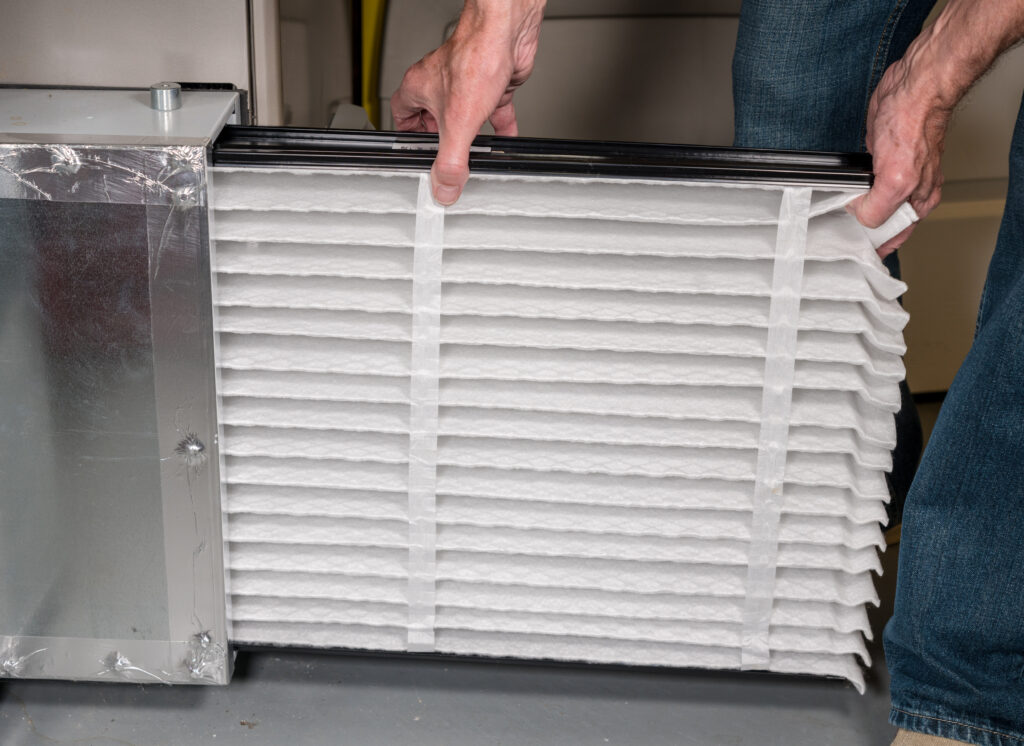
- Enhanced indoor air quality: Upgraded filtration systems and humidity control options can make a noticeable difference in how your home feels and smells.
- Quieter operation: New models are designed to run more quietly, making your home more peaceful.
- Increased home value: A modern, energy-efficient HVAC system can boost resale appeal and reduce inspection issues.
Should You Repair or Replace Your System?
Sometimes, repairs are all you need. Other times, they’re just a band-aid. If your current system is under 10 years old and has had regular maintenance, a repair might be the smart choice. But if you’re frequently calling for service or facing an expensive repair on an older unit, replacement is often the better investment.
Here’s a general rule of thumb: if the repair cost is more than 50% of the cost to replace the system, it makes sense to upgrade. A new HVAC system will offer better performance and save you money in the long run. Plus, new equipment may qualify for rebates or tax incentives.
What Milford & Central MA Homeowners Should Consider
Local conditions play a big role in heating and cooling decisions. Central Massachusetts experiences freezing winters, humid summers, and everything in between. Many older homes in Milford, Hopedale, Franklin, and Medway still rely on outdated insulation, single-pane windows, and older ductwork, which makes an efficient HVAC system even more important.
Choosing the right equipment means looking beyond price. Consider the size of your home, how well it’s insulated, and how long you plan to stay there. A high-efficiency unit might cost more upfront, but it can make a big difference in comfort and energy use, especially during long New England winters.
Ready to Upgrade Your HVAC System?
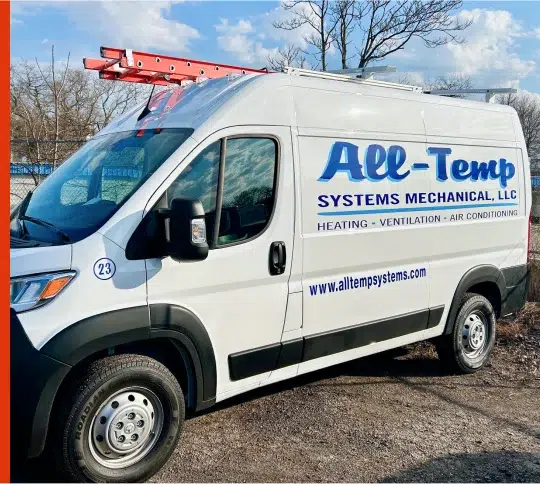
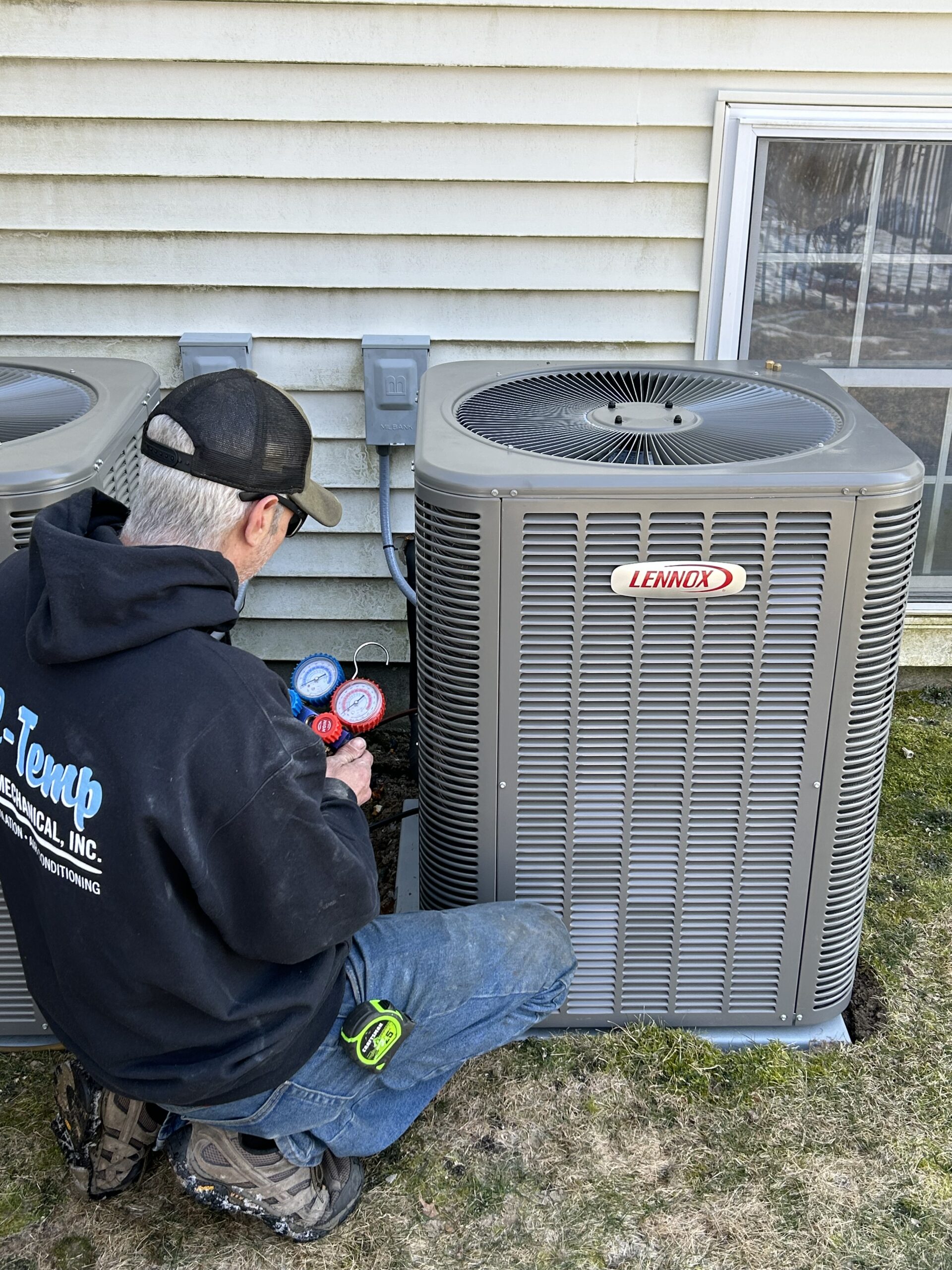
If 2026 is the year you’re finally ready to make a change, All-Temp Systems Mechanical, LLC is here to help. We’ve been providing reliable heating and cooling services throughout Milford and Central MA since 1982. Our team offers honest recommendations, free replacement quotes, and expert HVAC installations that keep your home comfortable year-round.
Contact All-Temp today to schedule a quote, inspection, or system evaluation in central Massachusetts.
Frequently Asked Questions
How Long Do HVAC Systems Last In Massachusetts?
In Massachusetts, most HVAC systems last about 10 to 15 years, depending on how well they’re maintained and how frequently they’re used. Harsh winters and high seasonal demand can shorten their lifespan.
Is It Worth Upgrading To A High-Efficiency HVAC System In 2026?
High-efficiency systems use less energy, provide better temperature control, and often qualify for rebates or incentives. Over time, the savings on utility bills can make up for the initial investment.
Are There Rebates For HVAC Upgrades In Massachusetts?
Massachusetts often offers rebates and incentives through programs like Mass Save. These programs encourage homeowners to install energy-efficient systems by offering cash back or financing options. Check with a licensed contractor to see what you qualify for.